


 Allison Hochman
If you've ever found yourself scrambling to hire in late May, posting jobs, rushing background checks, and onboarding staff the same week your busiest season begins, you're not alone. For small and mid-size businesses, summer staffing is one of the most predictable challenges of the year, and yet it catches too many owners off guard.
The good news? Q2 planning done right in early spring can make the difference between a summer that runs smoothly and one that costs you in overtime, turnover, and missed revenue.
The Numbers Don't Lie: Staffing Challenges Are Real
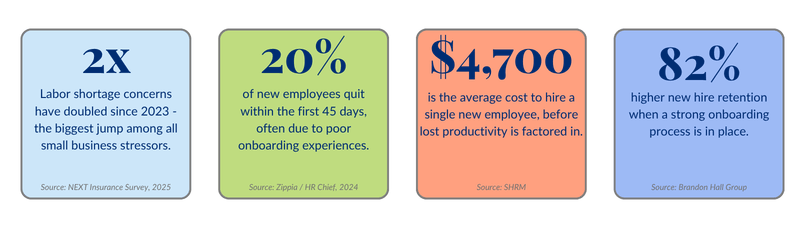
These aren't enterprise-level problems, they hit small and mid-size businesses hardest, where a single empty role or early departure can throw off an entire team.
Why Summer Staffing Should Start Early
The hiring landscape has changed. Qualified candidates, especially seasonal workers, are fielding multiple offers earlier in the year. Whether you're in hospitality, landscaping, retail, construction, or healthcare, your competition is already hiring. Waiting until the summer months to post your first job listing means you're already behind.
Early spring planning gives you time to do things right: define the roles you actually need, budget accurately, and onboard new hires properly before the rush hits. According to industry research, restaurant and food service peak hiring season runs April through September, meaning the best candidates are gone by the time procrastinators start their search.

Seasonal hiring pressures vary, but these industries consistently feel the Q2 squeeze hardest:
- Hospitality
- Landscaping
- Retail
- Construction
- Healthcare
In hospitality and food service, demand surges significantly between late spring and Labor Day. Landscaping and construction crews need to be fully staffed by May to hit project timelines. And in healthcare, especially home health and elder care, summer turnover among seasonal CNAs and support staff creates real coverage gaps if not planned for in advance. Across all of these sectors, over half of hourly workers plan to leave their job within the next 12 months, making consistent recruitment a year-round priority.
Seasonal Worker Classification: Get It Right Before You Hire
One of the most common (and costly) mistakes small businesses make is misclassifying workers. Before you bring on seasonal help, make sure you understand the difference between employees and independent contractors, and the difference between part-time, temporary, and seasonal employees under federal and state law.
- Seasonal employees are typically W-2 workers who may qualify for benefits depending on hours worked and your state's requirements.
- Independent contractors require a legitimate business relationship and clear scope of work, the IRS looks closely at misclassification.
- Temporary workers hired through a staffing agency shift certain employer responsibilities, but not all of them.
- Check your state's rules on whether seasonal employees qualify for unemployment insurance, this varies widely.
When in doubt, consult an HR professional or employment attorney before making classification decisions. Getting this wrong can result in back taxes, penalties, and audits.
Smart Onboarding for Seasonal Staff
Seasonal workers are often written off when it comes to onboarding: a quick tour, a login, and a "figure it out" attitude. But the data is clear: 1 in 3 new hires leave within the first 90 days, and poor onboarding is one of the top drivers. In your busiest season, that kind of early turnover is brutal. 
The good news is that the fix doesn't have to be complicated. Research from the Brandon Hall Group found that companies with a strong onboarding process see 82% higher retention and 70% greater productivity in new hires.
A few practices that make a real difference:
- Create a one-page "Day 1" guide specific to each role: what to wear, where to park, who to ask for help.
- Assign a point-of-contact or buddy for the first week: 87% of companies say buddy programs improve new hire skills, according to HCI research.
- Set clear expectations about hours, scheduling, and end-of-season dates upfront, in writing.
- Use digital onboarding tools to complete I-9s, W-4s, and direct deposit forms before the first day.
- Give seasonal staff a reason to come back next year: a rehire bonus or early-offer program goes a long way.
Hire Consistently, and Protect Your Business in the Process
One area where small businesses often leave themselves exposed during a busy hiring push is inconsistency in the interview process. When you're rushing to fill roles, it's tempting to wing interviews or ask different questions of different candidates. But inconsistent questioning creates legal risk and makes it harder to fairly evaluate who's actually the best fit.
HR can play a key role here by helping you develop a standardized set of application questions and interview questions for each role, ones that are legally compliant, job-relevant, and applied consistently across all candidates. This protects you from discrimination claims, improves the quality of your hiring decisions, and creates a more professional experience for candidates. It also ensures that whoever is conducting interviews, whether that's you, a manager, or a shift lead, is asking the right questions the right way.
Clarity in Offer Letters: Don't Skip the Details
Once you've identified your hire, a clear, well-structured offer letter is one of the most important documents you'll produce. For seasonal staff especially, ambiguity in an offer letter leads to misunderstandings, early departures, and disputes down the line.
A strong offer letter should spell out:
-
the role and responsibilities
-
compensation and pay schedule
-
reporting structure
-
expected hours and schedule
-
the anticipated end date for seasonal positions
-
the FLSA classification (exempt vs. non-exempt).
That last piece matters more than most owners realize. Misclassifying an employee as exempt when they should be non-exempt means potential liability for unpaid overtime. Getting it right upfront saves significant headaches later.
Want to learn more about Exempt vs. Non-Exempt classification? Read our blog Exempt vs. Non-Exempt Employees: What Every Small Business Owner Needs to Know
The Real Cost of Waiting
Here's the math most owners don't do until after the season. According to SHRM, replacing an employee typically costs between 50% to 200% of their annual salary, and that's before accounting for overtime paid to remaining staff, lost productivity, and the time managers spend recruiting instead of running the business. One survey of over 1,000 hiring decision-makers found that turnover costs companies an average of $36, 295 per year in combined lost productivity and rehiring costs.
Planning in April, rather than May or June, gives you a buffer. You have time to interview thoughtfully, make competitive offers, and onboard without chaos. It's not about perfection. It's about not being reactive when you should be leading.
Summer is coming whether you're ready or not. The businesses that thrive in Q2 and Q3 aren't necessarily bigger or better funded, they're just more prepared. Start now, and you'll spend June managing your season instead of surviving it.
Ready to Get Ahead of Summer Staffing?
Whether you need help with workforce planning, best practices for onboarding, creation of job postings and interview questions, or more, we're here to help you build smarter HR strategies.